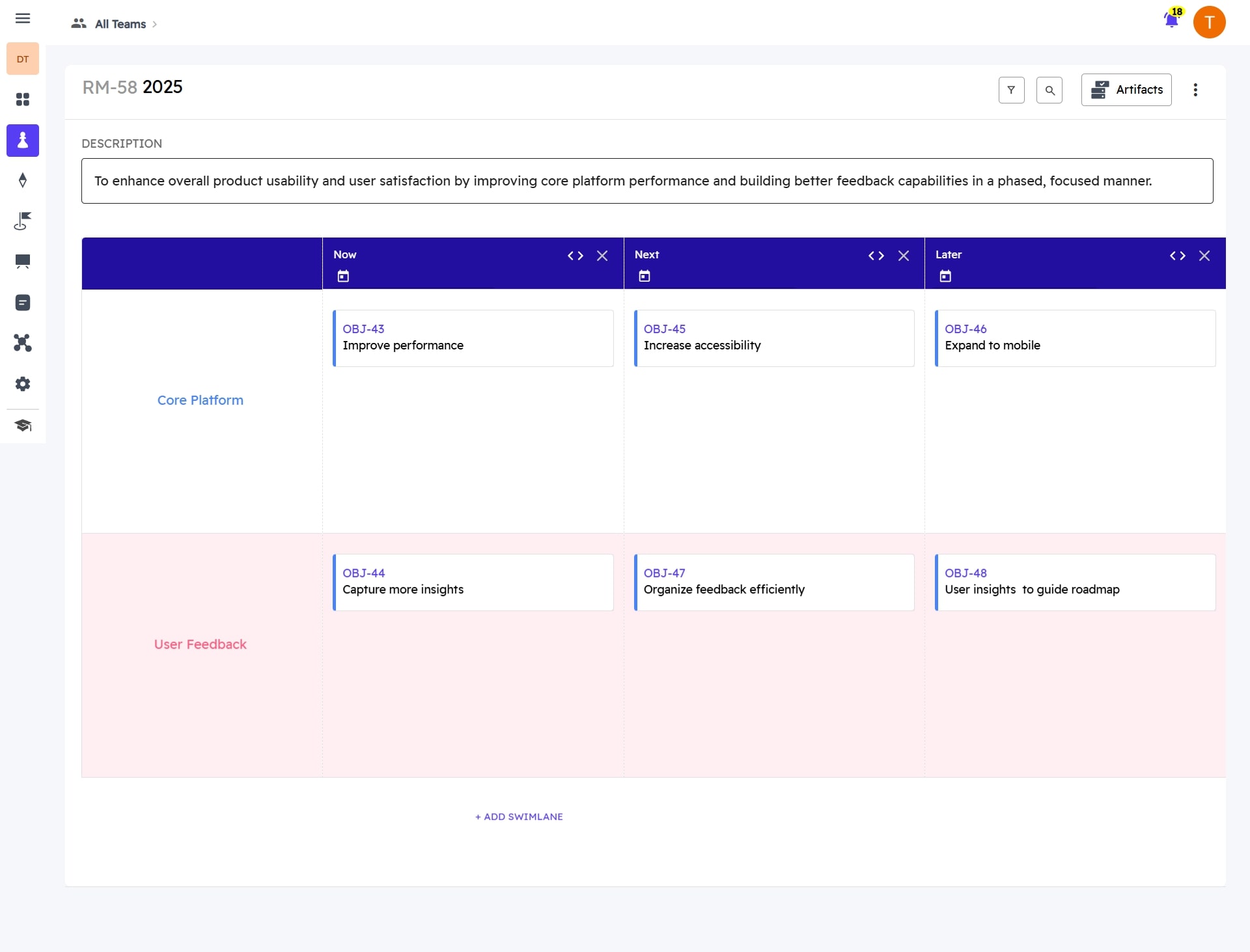
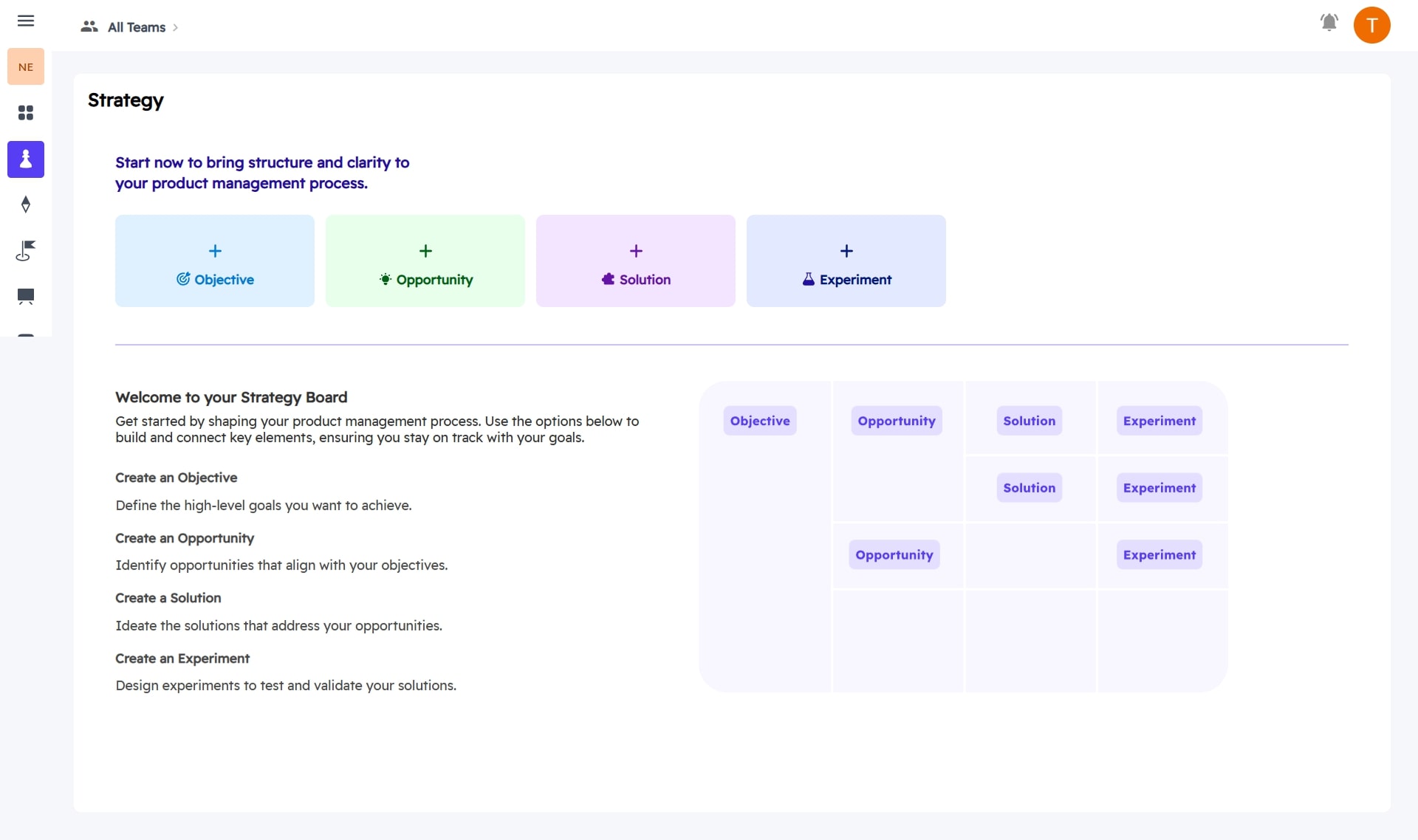
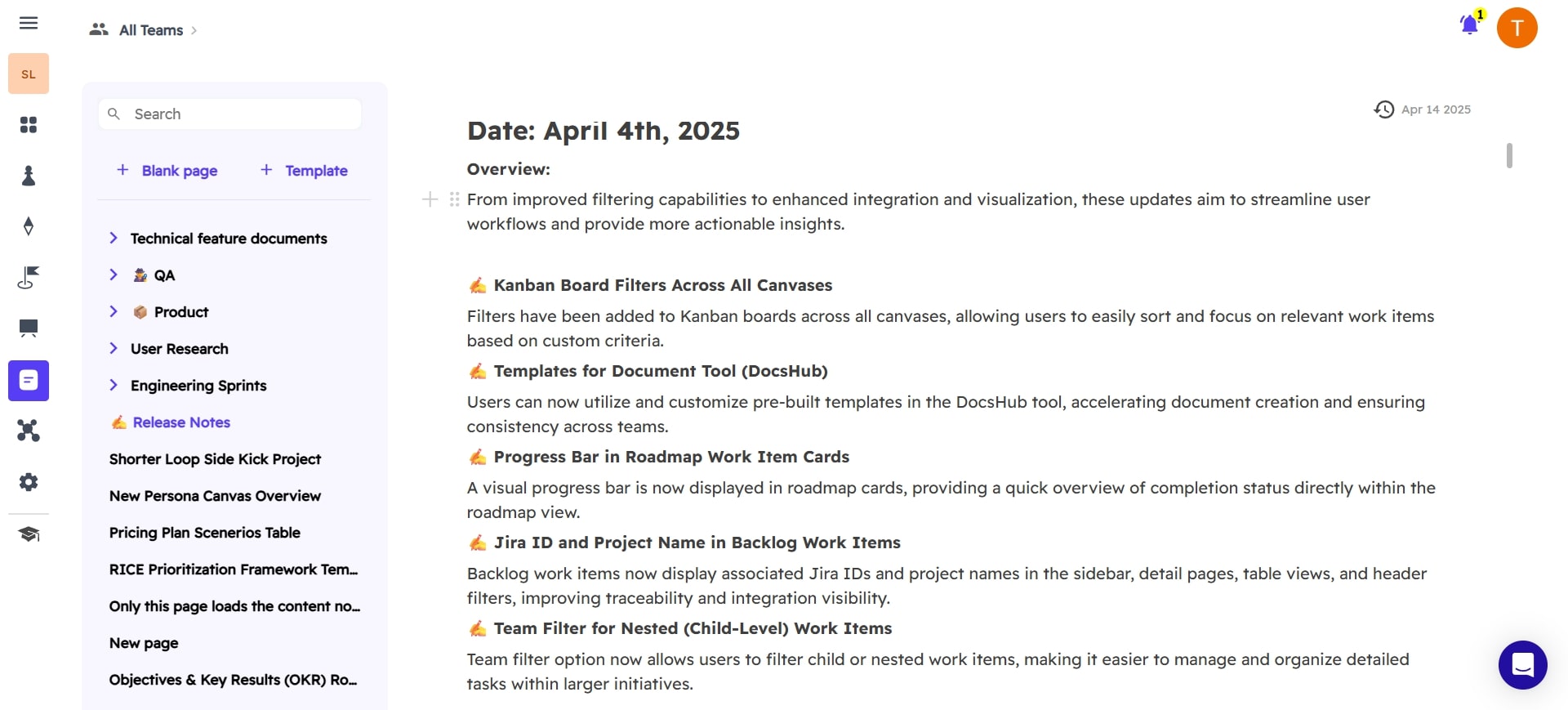
Taking Shorter Loop from 0 - 1
Shorter Loop was an early-stage startup building tools to help product teams run continuous discovery and make better product decisions. I joined as the sole UX Designer and gradually stepped into product ownership after identifying a misalignment between what we were building and what users were actually willing to pay for.
During my time, we raised $250K in funding and signed our first paying customer. My role evolved from designing features to shaping direction, prioritization, and validation in a resource-constrained, 0→1 environment.
Highlights
- Identified a strategic gap between roadmap assumptions and real user needs, and stepped into product direction discussions within three months of joining
- Conducted 50+ user interviews and structured surveys to ground roadmap decisions in evidence
- Challenged a 6-month effort toward building a complex whiteboard feature, advocating instead for a simpler structured interface to validate the core workflow before heavy engineering investment
- Simplified onboarding to two focused steps and introduced guided activation, improving activation by 80%
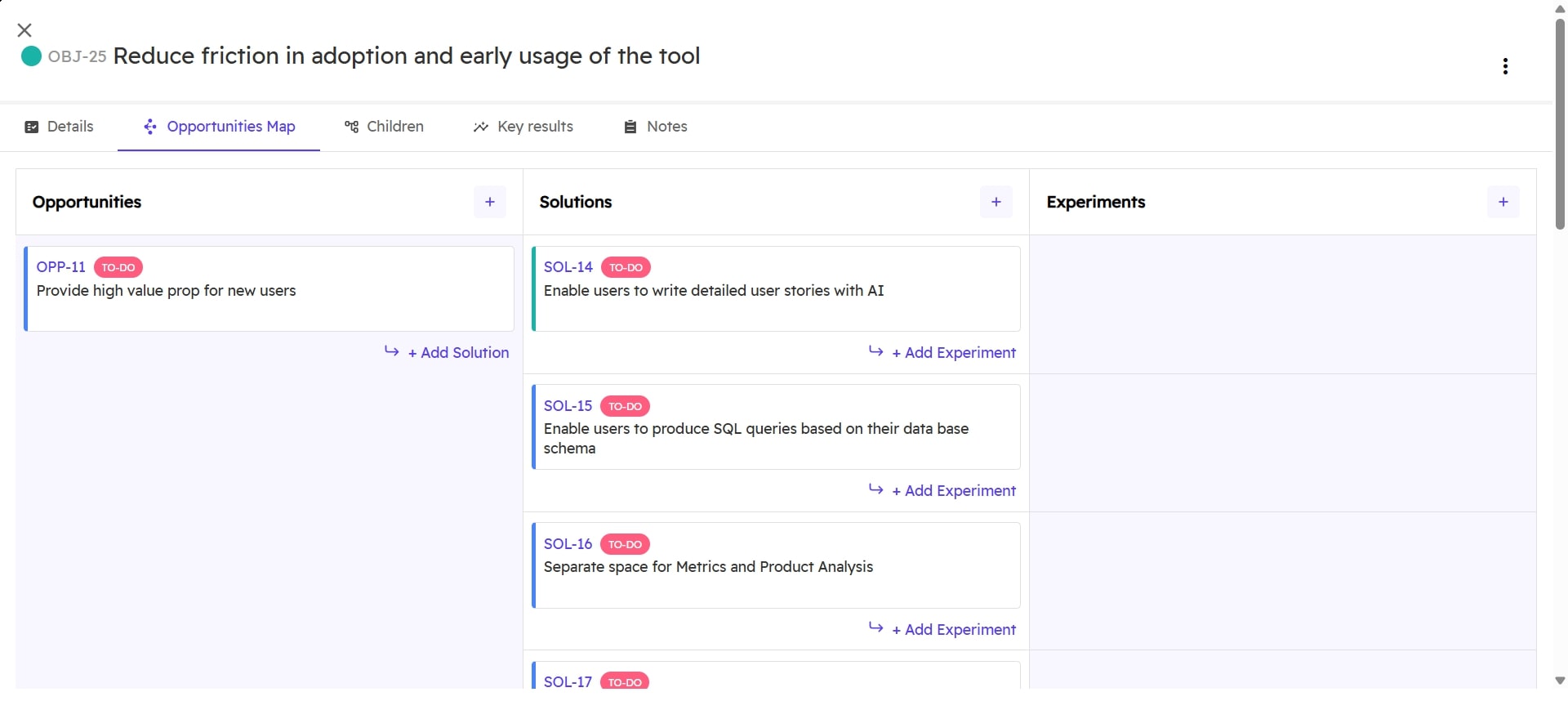
- Introduced practical AI-assisted workflows for feedback synthesis and persona generation
- Contributed to securing $250,000 in funding by helping clarify positioning and aligning the product around validated problems
- Designed under tight engineering bandwidth, prioritizing low-development-cost solutions that enabled faster iteration
The Journey
Joining an Uncertain Direction
When I joined, the ambition was clear but the execution path wasn’t. The roadmap was feature-heavy, yet user engagement remained shallow. The team believed expanding capabilities would drive traction, but adoption signals suggested we weren’t solving the right depth of problem.
Within my first few months, I began questioning whether we were building impressive features instead of meaningful workflows.
Discovering the Real Problem
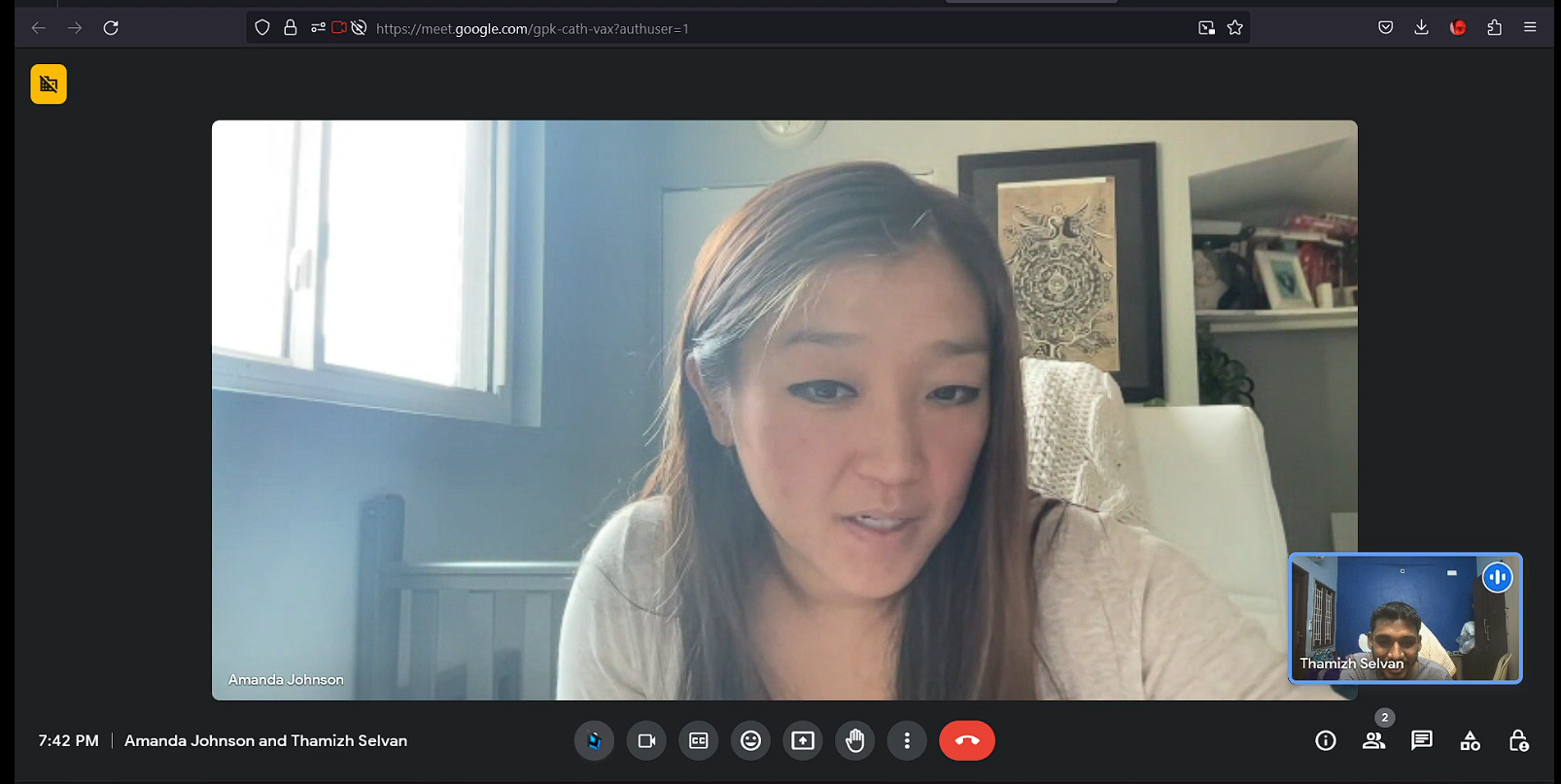
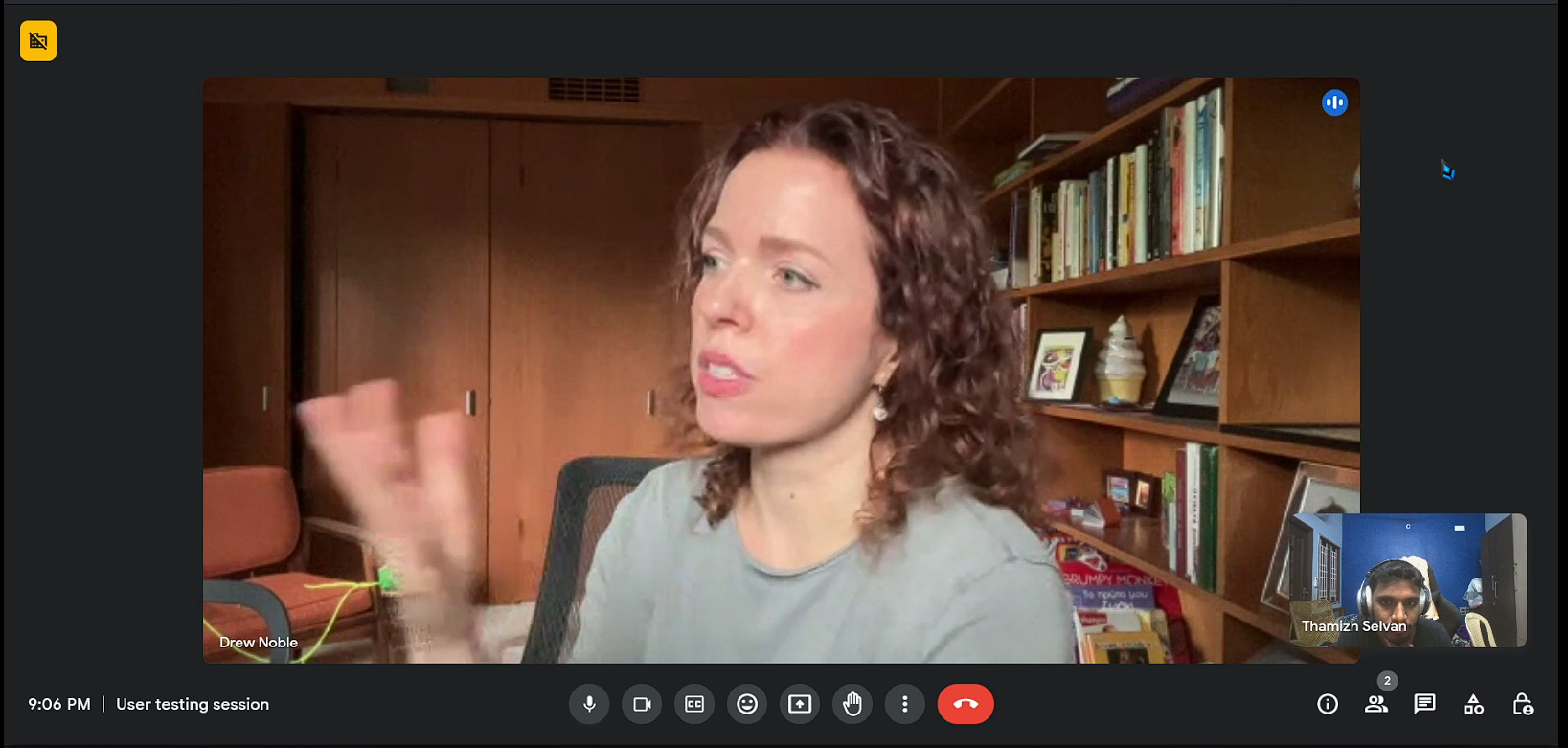
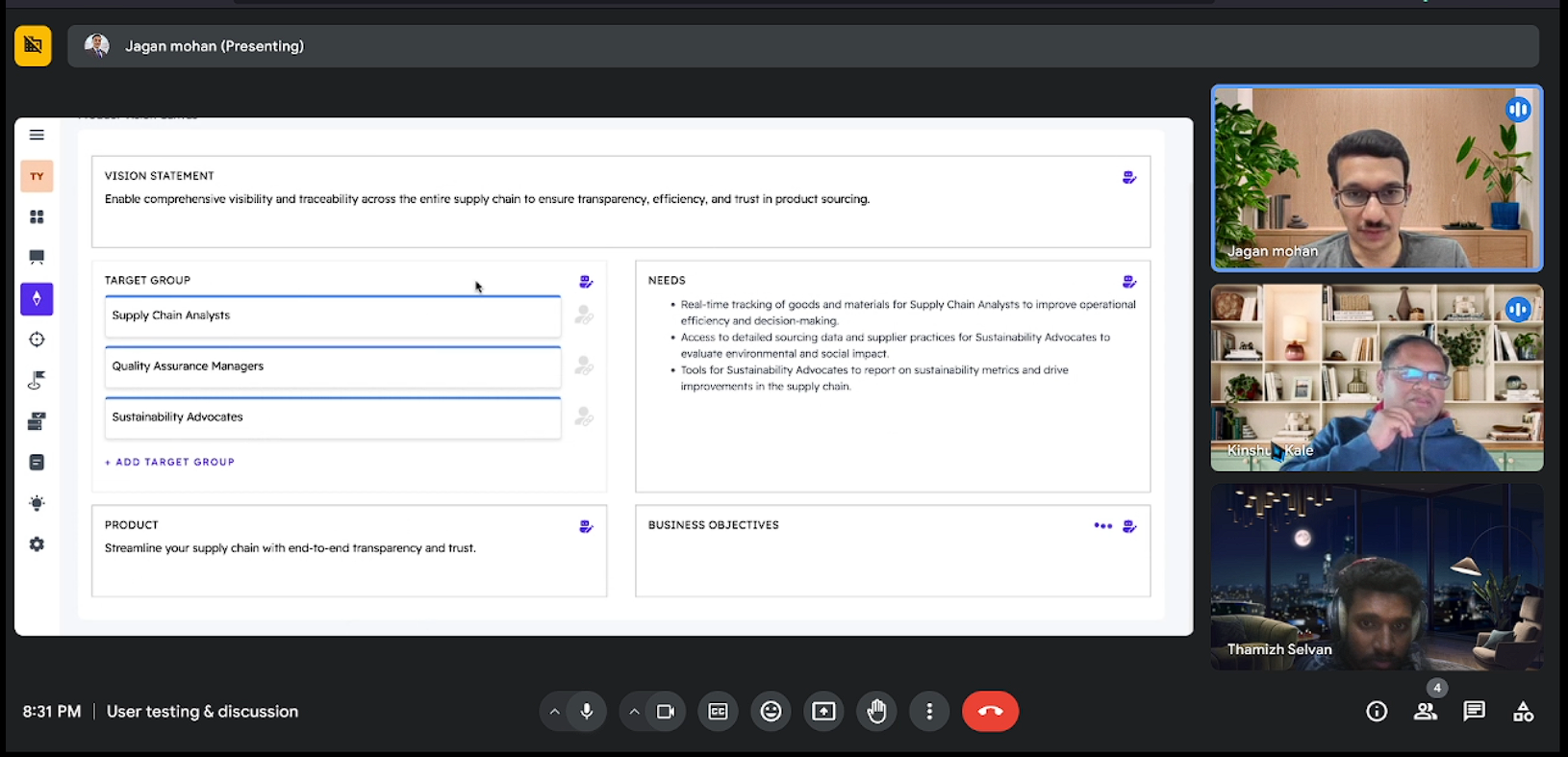
Through direct interviews, surveys, and competitive analysis, I spoke with product managers, founders, and discovery leads.
A pattern emerged:
Teams weren’t struggling because they lacked tools.
They were struggling because their discovery workflow was fragmented across tools.
Feedback lived in one place, planning in another, and decisions somewhere else. The friction was in moving from raw insight → structured understanding → action.
This reframed our internal conversations from
“What feature should we add?”
to
“What decision workflow are we trying to support?”
The Whiteboard Decision
One of the biggest turning points was around building a collaborative whiteboard.
The team had already invested months planning it. Competitors had similar features, and it looked compelling in demos. But user research revealed something different:
Users didn’t need infinite-canvas ideation.
They needed structured clarity.
The real need was organizing and synthesizing insights, not freeform drawing.
Instead of committing further to a technically heavy whiteboard, I proposed validating the workflow through a simpler table-based structured interface first.
This approach:
- Reduced engineering complexity
- Enabled faster validation cycles
- Focused on decision-making rather than visual novelty
There was initial skepticism — especially since I had joined only three months earlier. I returned with structured interview findings and survey data to support the shift. That evidence helped realign the roadmap toward validation before complexity.
This moment marked my transition from designer to product contributor.
Redesigning Onboarding for Activation
Another major friction point was onboarding.
Users signed up but didn’t know what to do next. The product introduced too many concepts upfront, assuming familiarity with discovery frameworks.
Instead of adding more explanations, I simplified onboarding to two essential steps:
- Clarify the problem space
- Guide users to their first meaningful action
I also introduced in-product guidance focused on activation milestones rather than feature exploration.
The goal wasn’t education — it was momentum.
Activation improved by 80% without adding new feature scope, simply by reducing cognitive overload and clarifying the first win.
Designing Under Constraint
Engineering bandwidth was limited, so every design decision had to balance user value with development cost.
Rather than pushing for highly polished or interaction-heavy interfaces, I often chose structurally clear, lightweight patterns that delivered value without increasing technical burden.
This constraint sharpened prioritization:
- What must exist?
- What can wait?
- What can be simplified?
I learned to design not just for usability, but for feasibility and speed of learning.
Bringing AI in Thoughtfully
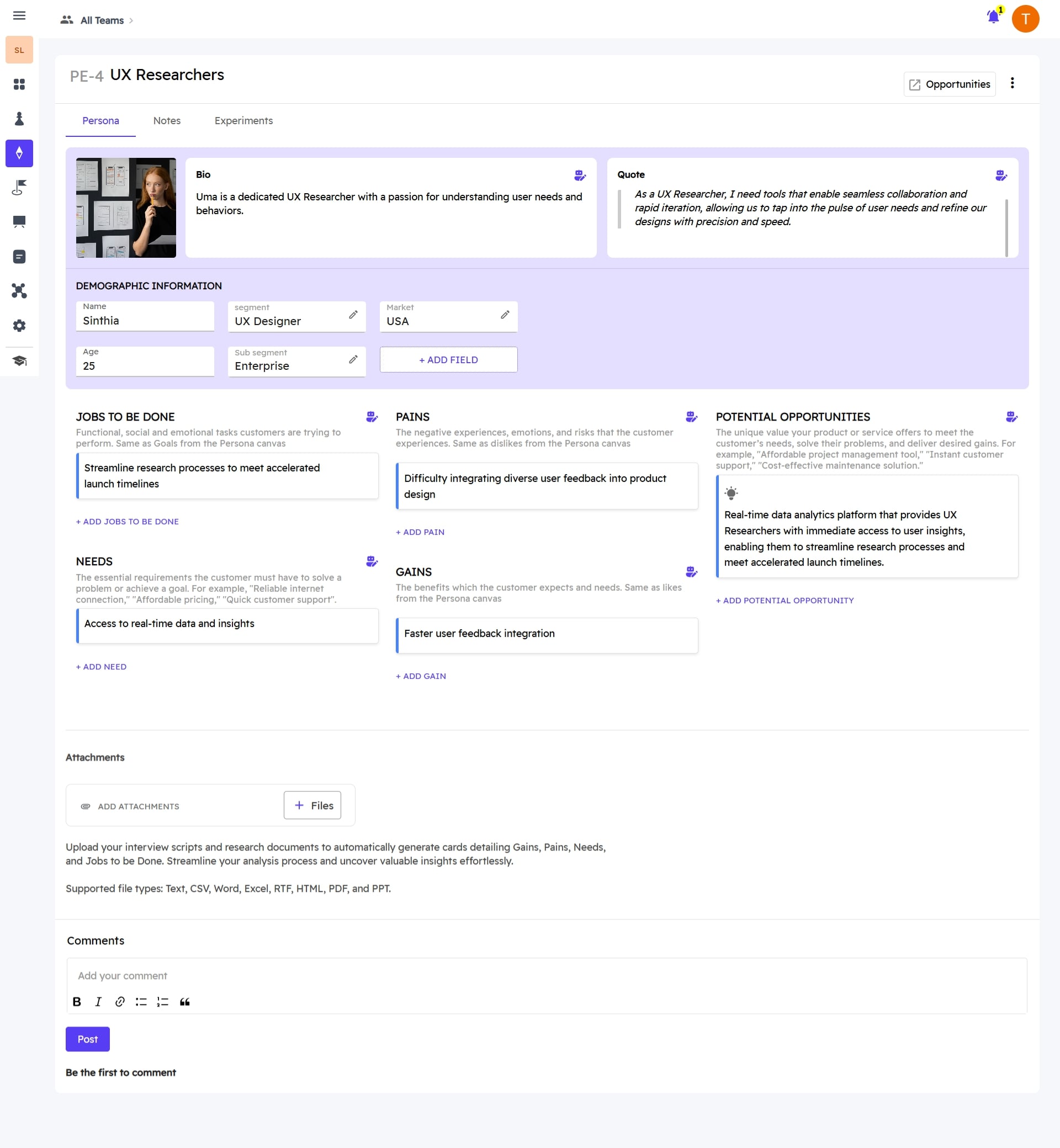
As generative AI gained momentum, I explored how it could support discovery workflows in practical ways.
We started small:
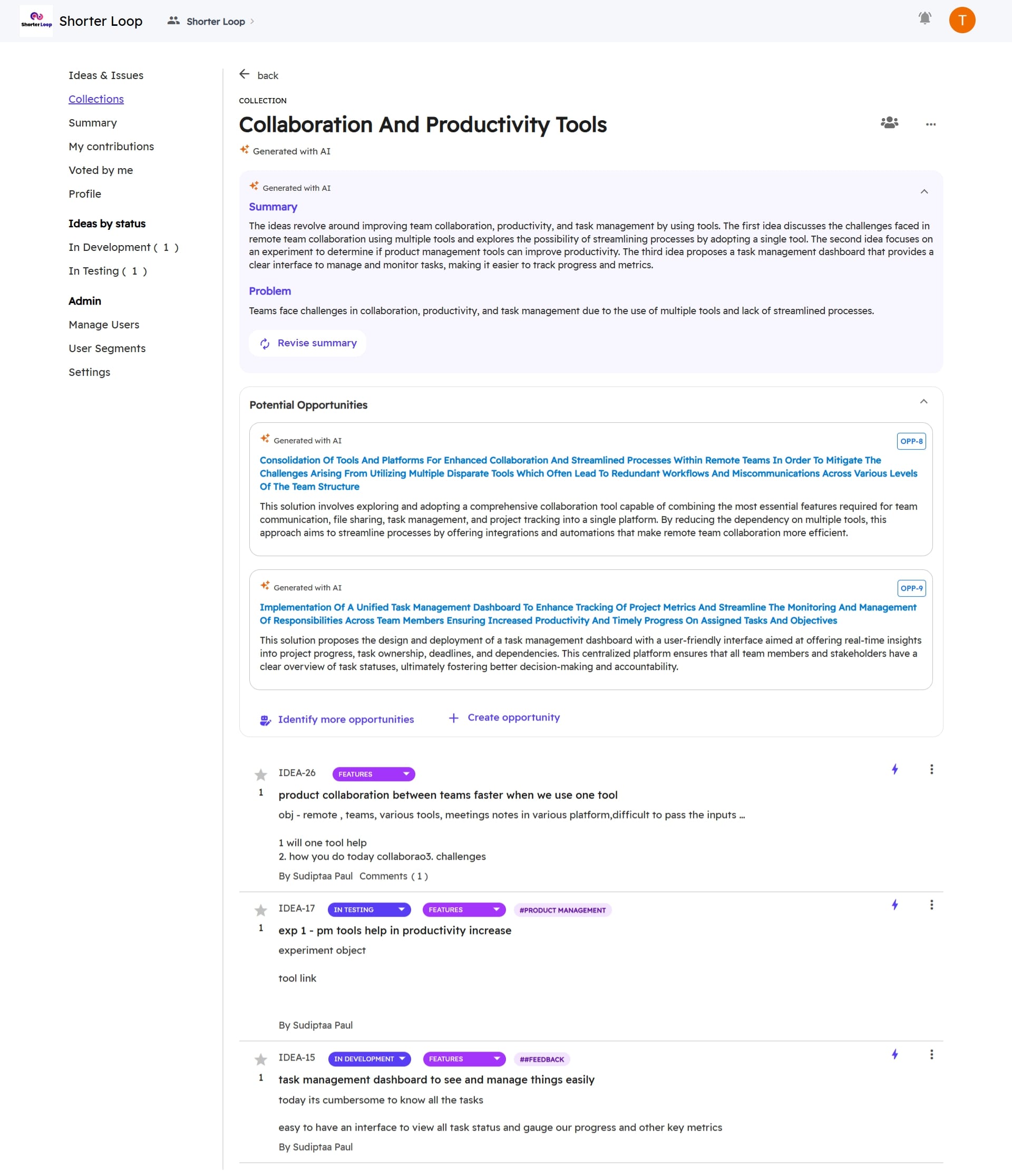
- Auto-categorizing feedback
- Summarizing insights
- Drafting personas
- Suggesting user stories
The principle was to reduce manual synthesis effort, not replace human judgment.
These capabilities became strong demo differentiators and reinforced our positioning as a discovery-first platform.
Earning Product Ownership
My transition into product direction wasn’t formal — it emerged from stepping into ambiguity.
At one point, the lead developer questioned the roadmap changes I proposed given my short tenure. I committed to returning with structured validation. In the following meeting, I presented synthesized research and survey data that reframed the opportunity and supported a shift in priorities.
That moment established trust.
From then on, I wasn’t just designing screens — I was accountable for why we were building what we were building.
Getting to 0 → 1
We secured our first paying customer and raised $250K in funding. More importantly, we gained clarity. The product shifted from feature accumulation to problem alignment.
Shorter Loop shaped how I think today:
- Validate before scaling
- Simplify before expanding
- Align with revenue reality early
- Design within constraints, not ideal conditions
This wasn’t just a design role.
It was where I learned to connect user insight, feasibility, and business viability into one continuous loop.
More Designs